Crystal Learning · Crystal Facts
Crystal Terms Explained: A Beginner's Glossary
Crystal terms explained in plain English: cluster, geode, point, matrix, cabochon, tumble, Mohs and more, for anyone starting to collect.
The Crystal Store · 19 September 2026
Crystal terms can make a simple product listing sound baffling, so here’s a plain-English glossary of the words you’re most likely to come across, from cluster and geode to matrix and Mohs. Bookmark it for the next time a description leaves you guessing.
Shapes and forms
| Term | What it means |
|---|---|
| Raw or rough | Left largely as found, without polishing |
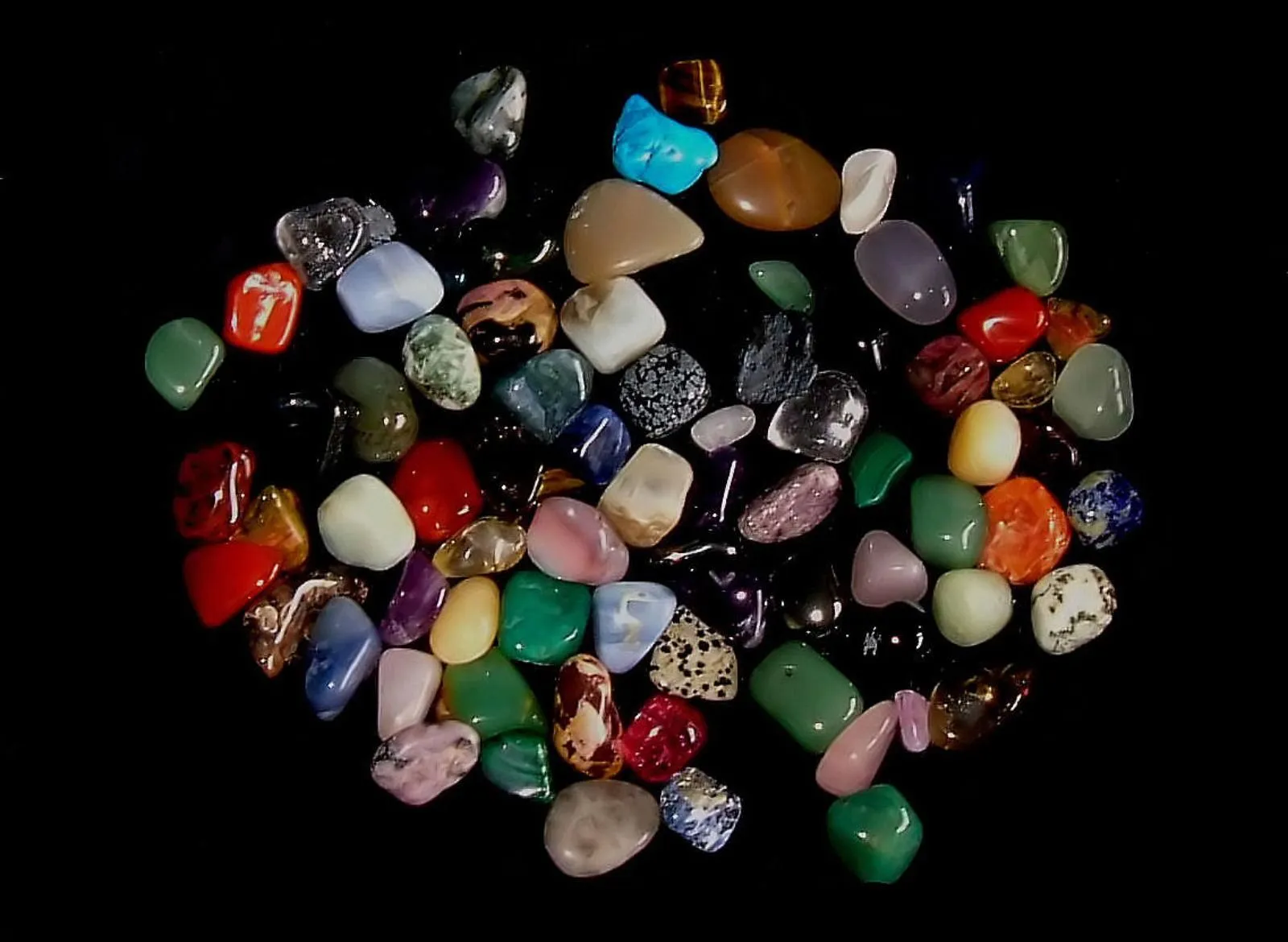
| Tumble stone | A small stone rounded and polished in a tumbler |
| Point | A crystal, or shaped stone, with a pointed tip |
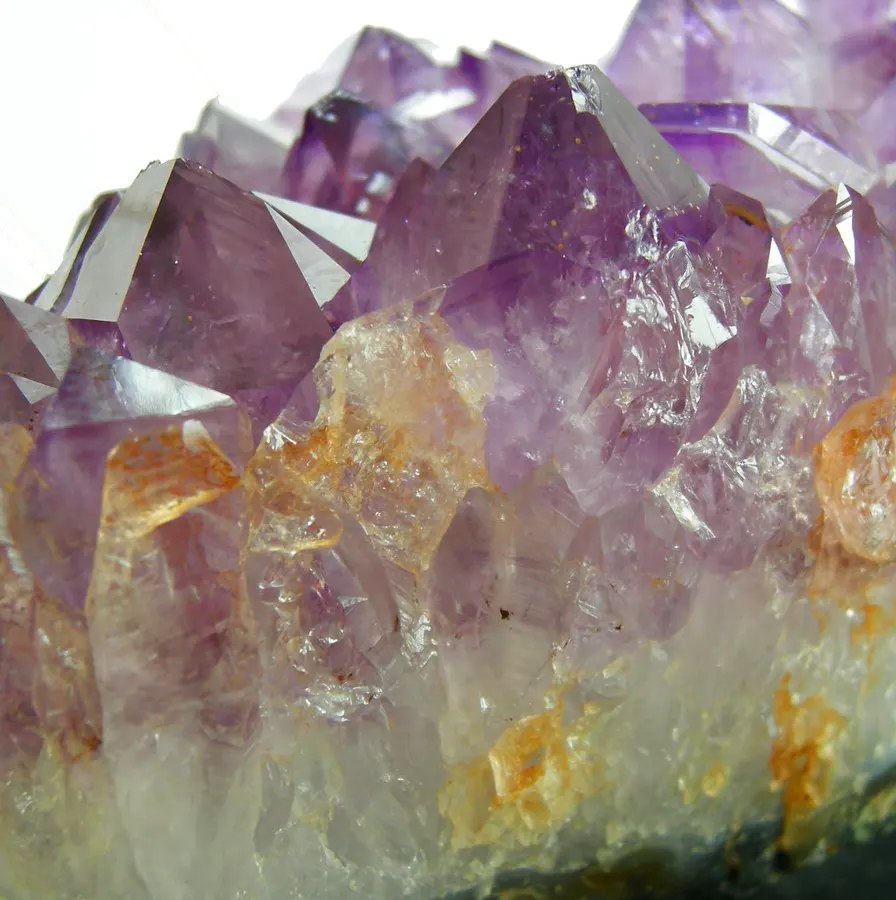
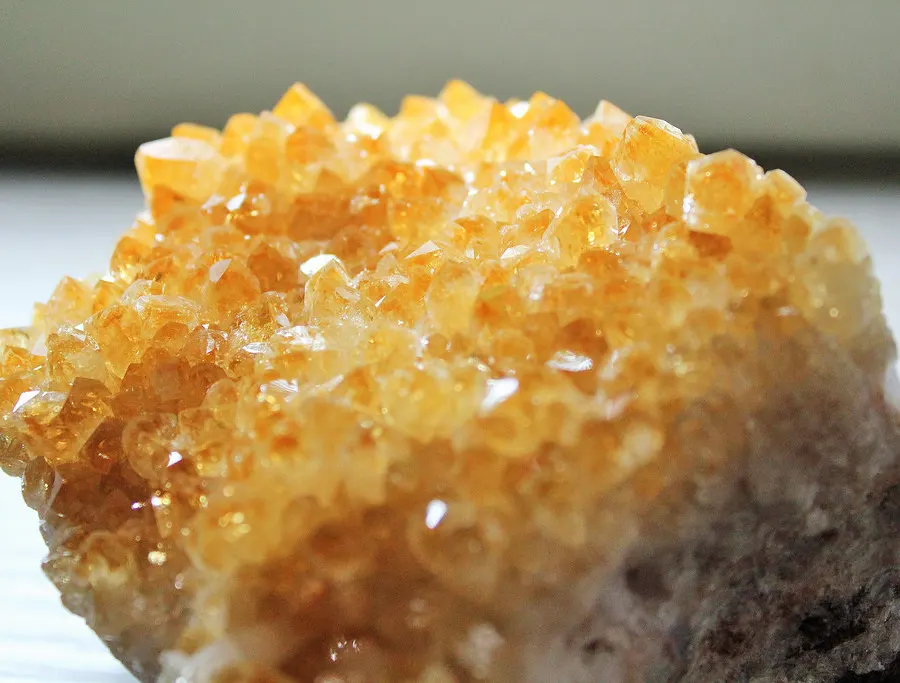
| Cluster | Several crystals growing together from one base |
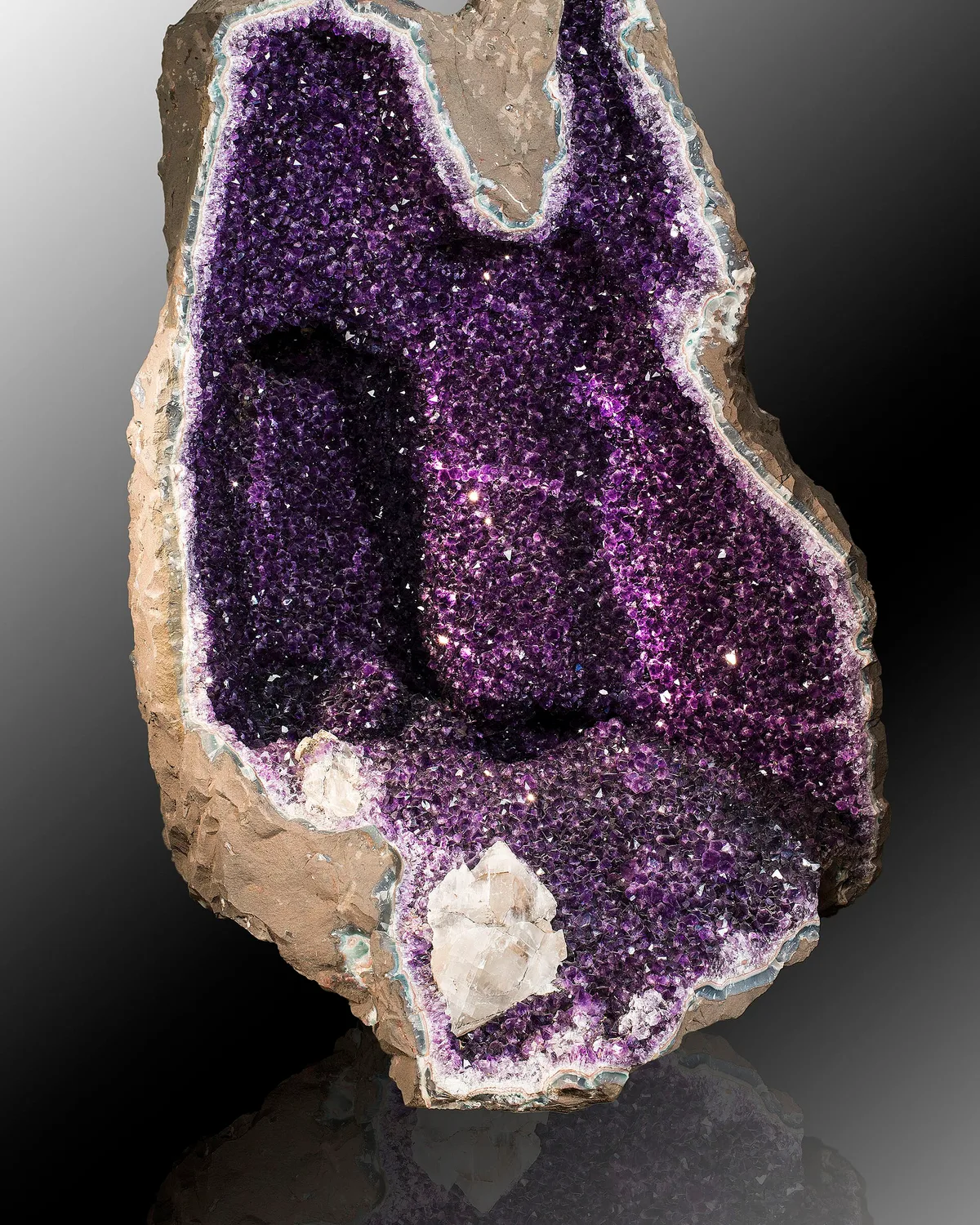
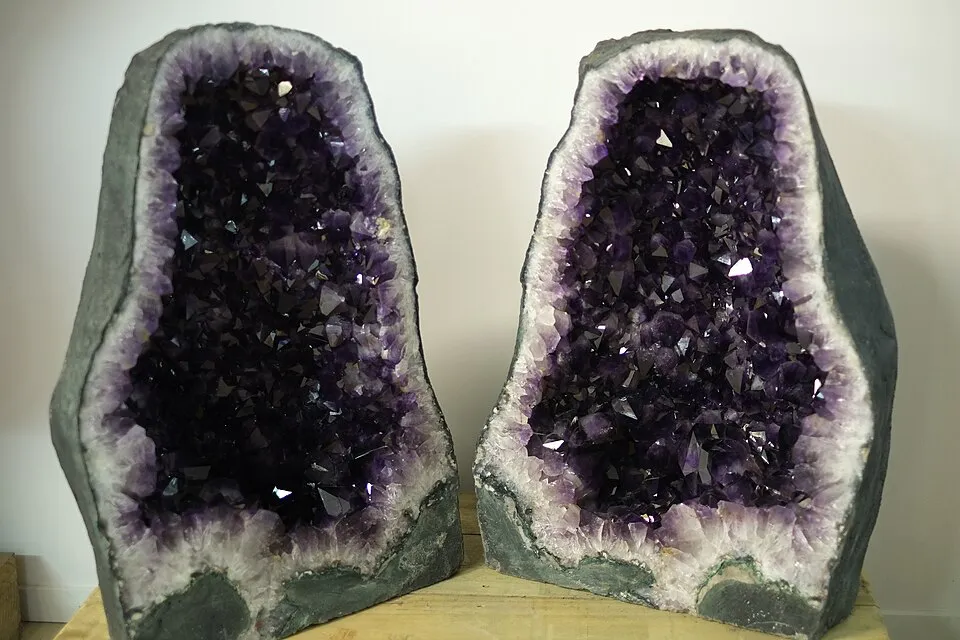
| Geode | A hollow rock lined with crystals |
| Palm stone | A smooth, flat stone that fits your palm |
| Sphere | A stone polished into a ball |
| Tower | A stone cut into a standing point, often called a generator |
| Cabochon | A polished stone with a domed top and flat base |
| Wand | A long, shaped stone used for display or ritual |
Terms for how crystals grow
Crystal. Wikipedia’s definition is a solid whose atoms are arranged in a repeating, highly ordered pattern. See our guide to how crystals form.
Geode. Geology.com explains that this is a rock with a hollow cavity, where minerals have grown inwards from the walls. If it’s filled completely, it’s called a nodule.
Druzy (or druse). A surface coated with many tiny crystals, giving a glittering effect.
Matrix. The host rock that a crystal grew on or in. A cluster “on matrix” is still attached to it.
Termination. The natural tip of a crystal. A “double-terminated” crystal has a point at each end.
Inclusion. Anything trapped inside a crystal, including other minerals, fluids or fractures. These are often how you can tell natural stones from glass.
Massive. Here, this doesn’t mean large. It means a mineral grew as a solid mass and not as distinct crystals. Rose quartz is a common example.
Terms for physical properties
Mohs scale. A 1 to 10 ranking of scratch resistance, created by Friedrich Mohs in 1812, according to Geology.com. Our Mohs scale guide explains it in full.
Cleavage. The way some minerals split along flat planes. It explains why a fairly hard stone like labradorite can still break.
Conchoidal fracture. A curved, shell-like break, as seen in quartz and obsidian.
Lustre. How a surface reflects light, for example glassy, pearly or metallic.
Crystal system. A category based on a crystal’s symmetry. There are seven in total.
Terms for visual effects
Labradorescence. The flash of colour in labradorite, caused by light reflecting off internal surfaces.
Adularescence. The soft, floating glow in moonstone. GIA explains that it comes from light scattering between thin layers.
Chatoyancy. A silky band of light like a cat’s eye, often seen in tiger’s eye.
Colour zoning. Visible bands or patches of different colour.
Terms for treatments and trade
Treatment. Anything done to change a gem’s colour, clarity or durability. GIA says that treatments should be disclosed by the seller.
Heat-treated. Colour changed by heating, as with most citrine.
Dyed. Colour added artificially.
Synthetic. Made in a lab, with the same basic make-up as the natural mineral.
Imitation. A different material made to look like a stone, such as glass.
Trade name. A marketing name, which may not match the actual mineral. If you’re unsure, ask for the mineral name. Our guide to fake crystals explains more.
Terms from crystal tradition
These describe beliefs and practices rather than properties you can measure.
- Intention: a personal aim or focus. Browse our intentions.
- Cleansing: a ritual to “clear” a stone. See our cleansing guide.
- Charging: a ritual that often uses moonlight or sunlight.
- Grid: stones arranged in a geometric layout. See how to make a crystal grid.
- Chakra: a concept of energy centres from Indian traditions, explained in what are chakras?.
How to use these terms when you’re buying
Good listings should tell you these four things:
- The mineral name, such as amethyst, and not just a trade name.
- The form, such as a cluster or tumble stone.
- Any known treatments, such as heating.
- The size and weight. Photos can be misleading, so always check.
Our Crystal Guide covers each stone’s properties in more detail.
Frequently asked questions
What’s the difference between a geode and a cluster?
A geode is a hollow rock with crystals inside. A cluster is a group of crystals growing together on a surface, and it can be cut from a geode.
What does “on matrix” mean?
It means that the crystal is still attached to the rock it grew on. Many collectors value this.
Is a tumble stone a real crystal?
If it’s made from natural stone, yes. Some tumbled materials are glass, though, so check with the seller. Our guide to tumbled vs raw crystals has more.