Crystal Learning · Crystal Facts
Ethical Crystals: Questions to Ask Before You Buy
Ethical crystals are hard to verify. Learn the issues in crystal mining, what claims like 'ethically sourced' can mean and which questions to ask.
The Crystal Store · 19 October 2026
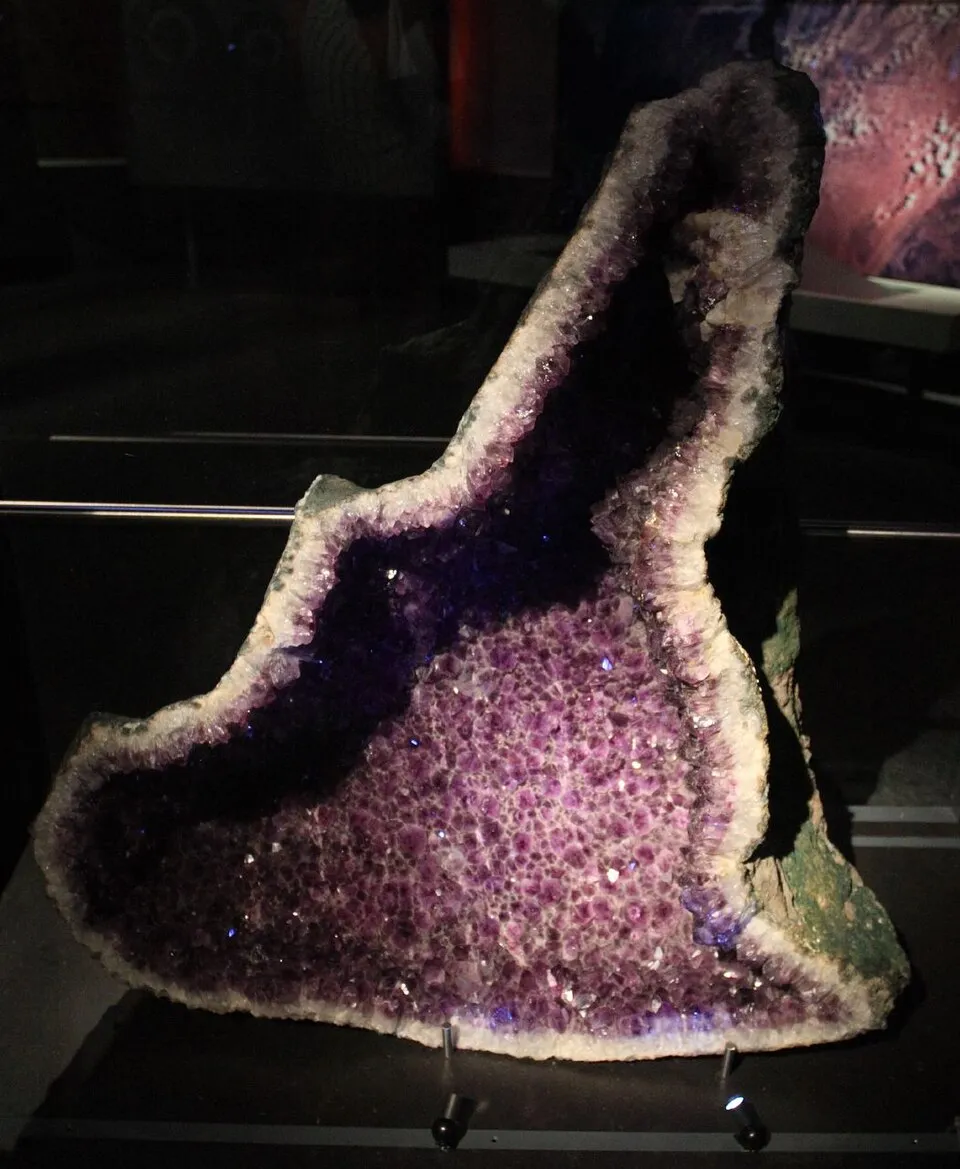
Ethical crystals are hard to verify, because many stones pass through a long, opaque supply chain before reaching a shop. There are real concerns about child labour, low pay and environmental damage in parts of the industry. As a buyer, you can’t solve this alone, but you can ask better questions and be wary of easy promises.
What are the concerns?
Child labour. The US Department of Labor’s report on Madagascar says children perform dangerous tasks mining mica, stones and sapphires. Madagascar is also a significant crystal source, and Geology.com lists it among the major producers of rose quartz.
Low pay. Wikipedia’s crystal healing article reports that miners in Madagascar were paid as little as 17 to 23 cents per kilogram for rose quartz, possibly about 0.1% of the final retail price.
Environmental damage. The same article notes concerns about the environmental effects of mining.
Not all mining is the same, and these reports don’t mean that every stone is affected. But they do explain why a simple label isn’t enough.
Why crystals are hard to trace
- Many hands. Stones may pass through miners, local traders, exporters, wholesalers and retailers.
- By-products. Some crystals are by-products of mining for other materials.
- Mixed lots. Stones from different places can be combined and sold by weight.
- Limited paperwork. Origin documents can be incomplete, or missing altogether.
So when a shop says that it doesn’t know the exact origin of a stone, that may simply be an honest answer.
What “ethically sourced” can mean
There’s no single, universal certification for crystals in the way that some consumers might expect from food. “Ethically sourced” could mean very different things:
| A seller might mean | What to ask |
|---|---|
| “We visited the mine” | When, and which mine? |
| “Our supplier told us it’s ethical” | What evidence does the supplier give? |
| “It’s from a country with strong labour laws” | Is the whole chain traceable? |
| “It’s small-scale” | Small-scale doesn’t automatically mean safe |
| “It’s certified” | Certified by whom, and for what? |
A vague claim isn’t proof of anything. Equally, a seller who says “here’s what we know and what we don’t” is often more trustworthy than one with a confident slogan.
Eight questions to ask a crystal seller
- Where was this mined? Ask for a country, and a region if possible.
- Who is your supplier? Do they buy directly, or through several traders?
- What do you mean by “ethical”? Ask for specifics.
- Do you have any documentation?
- Have you visited the source? If so, when?
- Is it treated? GIA says that sellers should disclose treatments.
- What don’t you know? It’s an honest question that good sellers can answer.
- Do you sell recycled or second-hand stones?
Practical ways to buy more carefully
- Buy less, and buy better. A few well-chosen stones have a smaller footprint than a large collection.
- Choose second-hand. Crystals last for a very long time, and vintage pieces need no new mining.
- Value traceable sources. You might pay more for them, and that’s reasonable.
- Look after what you have. Our crystal care guide helps stones last longer.
- Consider local stones. British gemstones have shorter supply chains, though they have their own limits.
- Pass stones on. Give away or swap stones you no longer use.
What we can honestly say
Our aim is to tell you what we know about each stone’s origin, and to say so when we don’t know. You can always email us with questions, and our About page and FAQ have our contact details.
We won’t claim that every stone is “ethically sourced” unless we can back that up, and we’d encourage you to expect the same from any shop.
A word on demand
Crystals are more popular than they’ve ever been. In an F.Hinds survey of 2,001 UK adults, 38% said that they use or wear gemstones regularly. With that kind of demand, buyers’ questions can help to encourage better practice over time.
It’s also a useful reason to learn what each stone actually is and how crystals form, as understanding what took millions of years to create tends to make people treat a stone with more care.
Frequently asked questions
Are any crystals truly ethical?
Some are better documented than others, but full traceability is rare. Look for specific evidence, not just a label.
Is it better to avoid crystals from Madagascar?
Not necessarily. Mining can be an important source of income, and a blanket boycott may harm miners. Asking about specific supply chains is more useful.
Are second-hand crystals more ethical?
They don’t require new mining, which is a clear advantage, although you may not know their original source.