Care · Crystal Learning
Crystal Care: How to Store and Look After Your Stones
Crystal care made simple: how to store, clean and display your stones, what damages them, and which minerals need special handling.
The Crystal Store · 16 September 2026
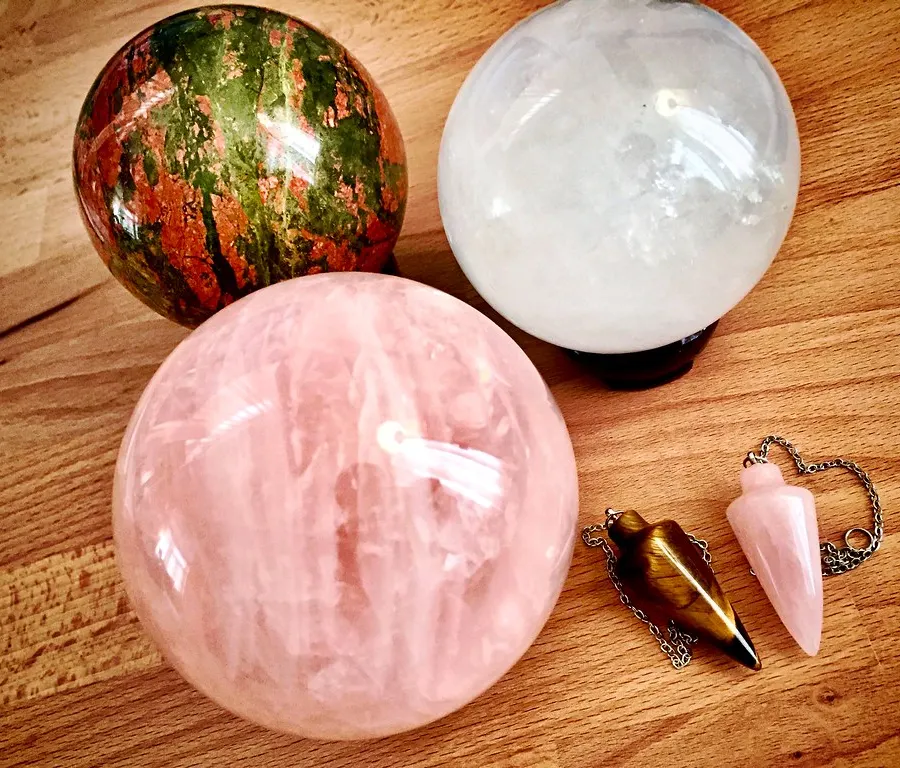
Good crystal care comes down to four things: store stones so they can’t scratch each other, keep them out of strong sun and heat, clean them gently and check whether each one can get wet. That simple routine prevents most of the damage collectors run into.
Crystals may look indestructible, but many are surprisingly delicate. Here’s how to keep yours looking their best.
The five things that damage crystals
| Risk | What it can do | Stones most at risk |
|---|---|---|
| Sunlight | Fades or alters colour | Amethyst, kunzite, some topaz |
| Water | Dissolves, cracks or rusts | Selenite, pyrite, halite |
| Knocks | Chips points and edges | Fluorite, labradorite |
| Contact | Scratches softer surfaces | Selenite, malachite |
| Chemicals | Damages surfaces or dye | Dyed and porous stones |
How to store crystals
Minerals.net’s collector guide suggests giving each specimen its own box and avoiding crowding. That advice works for home collections too.
- Separate hard from soft. Quartz, at 7 on the Mohs scale, can scratch softer stones.
- Use soft pouches for tumbled stones and jewellery.
- Try divided boxes. Craft or bead organisers are cheap and work well.
- Pad delicate pieces. Foam or cotton protects them. Minerals.net warns that long, slender or fibrous crystals can catch on cotton and break.
- Label everything. It’s easy to forget names, and a label adds to a collection’s interest.
Crystal storage ideas for the home
- A shallow tray or dish, for favourite stones you use often.
- A shadow box or wall shelf, for small display pieces.
- A glass cabinet, which keeps the dust away. Make sure it’s out of direct sun.
- A lined drawer, for your overflow.
- A small jewellery box, for delicate items.
Our guide to crystals for the home has more ideas, while a soft velvet pouch is a simple way to protect stones.
Keep crystals out of strong light
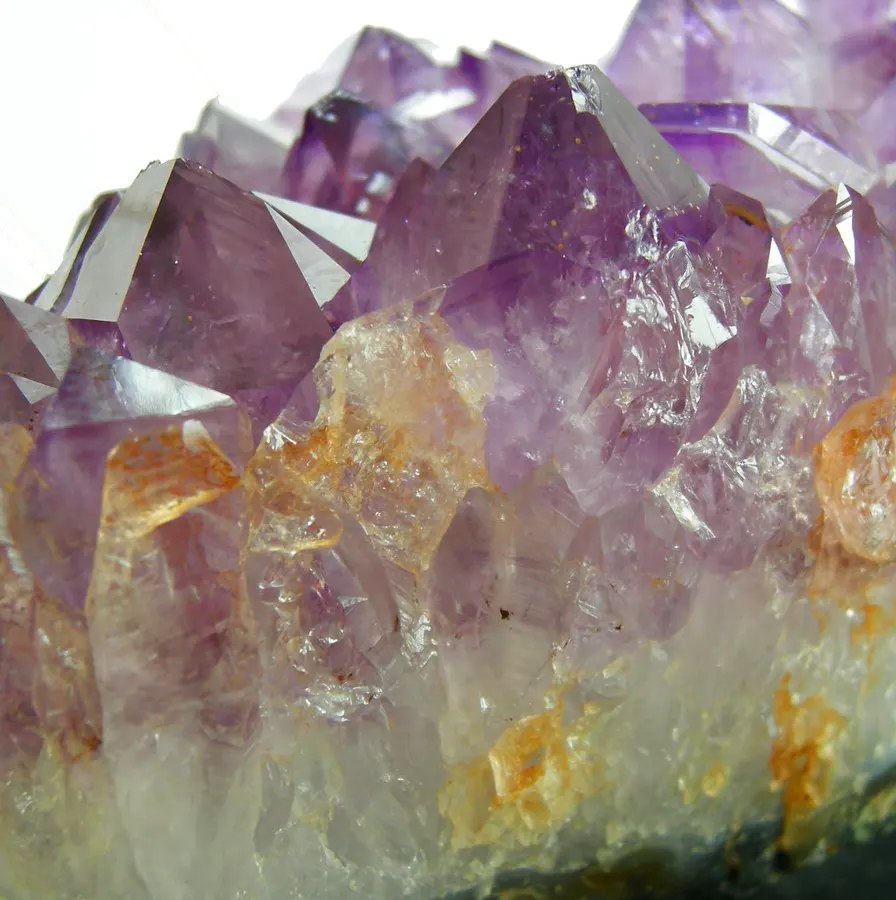
Geology.com notes that prolonged direct sunlight or bright display lights can fade some amethyst, and it recommends dark storage for the long term. Minerals.net adds kunzite and some topaz to the light-sensitive list.
A simple rule: enjoy coloured stones in indirect light, and keep sunny windowsills for short visits only.
How to clean crystals
Minerals.net’s advice is that all minerals should be handled as little as possible, and cleaned with great caution. Gentle methods are always the best place to start.
- Dust first. Use a soft, dry brush, such as a clean make-up brush.
- Try a soft cloth on polished stones.
- Rinse only if it’s safe. Check first. Hard, solid stones such as clear quartz generally tolerate a brief rinse.
- Dry straight away with a soft cloth.
- Avoid harsh products. Skip household cleaners, ultrasonic cleaners and anything abrasive.
GIA adds that dyed gems need protecting from solvents such as alcohol and acetone, as well as prolonged sunlight.
Stones that need special care
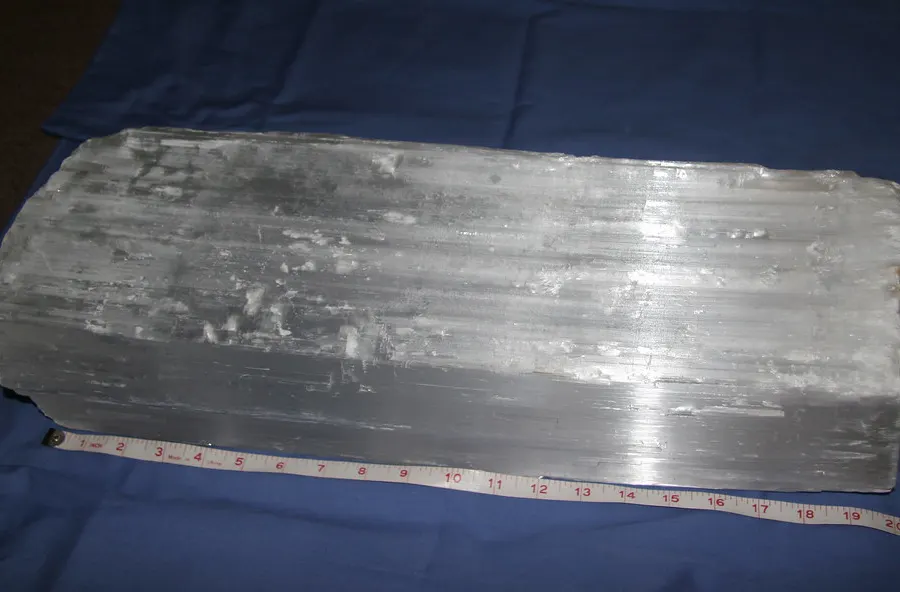
- Selenite: keep it dry, as it’s very soft and can dissolve.
- Malachite: don’t soak or sand it. Geology.com says it reacts with weak acids and is sensitive to heat.
- Pyrite: Geology.com notes that it oxidises with air and moisture, so keep it dry.
- Halite: Minerals.net says it dissolves in water, and silica gel can help to keep it dry.
- Fluorite: it’s soft and can split, so avoid knocks.
Crystals.com’s water guide has a longer list, and so does our article on crystals not safe in water.
Caring for crystal jewellery
Jewellery takes more wear than any other crystal. To keep it looking good, put it on last and take it off first, and remove it for sport, cleaning and gardening. Store each piece separately to prevent scratches. Our crystal jewellery guide has more detail.
Safety at home
- Keep small stones away from babies, young children and pets, as they’re a choking risk.
- Wash your hands after handling crumbly minerals.
- Don’t cut, sand or drill stones at home, because of the dust.
- Don’t put stones in drinks.
What about cleansing?
Cleansing is a spiritual tradition and not the same as physical cleaning. Many people enjoy it as a ritual, but it isn’t necessary for a stone’s upkeep. If you’d like to try it, see our guide to cleansing crystals.
Frequently asked questions
How should I store crystals at home?
Keep them in separate pouches, boxes or divided trays, away from strong sun, heat and damp. Keep soft stones apart from hard ones.
Can I clean crystals with soap and water?
Only some of them. Many water-safe stones are fine with mild soapy water, but always check first, as water can damage others. A dry brush is safest.
How often should I clean my crystals?
Only when they need it. Light dusting is usually enough, and less handling means less risk.